Loading...
Subscribe to Our Newsletter
Get the latest updates delivered straight to your inbox.

The ultimate L&D solution for upskilling your workforce.


© 2026 SkillUp MENA, Inc. All rights reserved
Subscribe to Our Newsletter
Get the latest updates delivered straight to your inbox.
The ultimate L&D solution for upskilling your workforce.
© 2026 SkillUp MENA, Inc. All rights reserved

 Share :


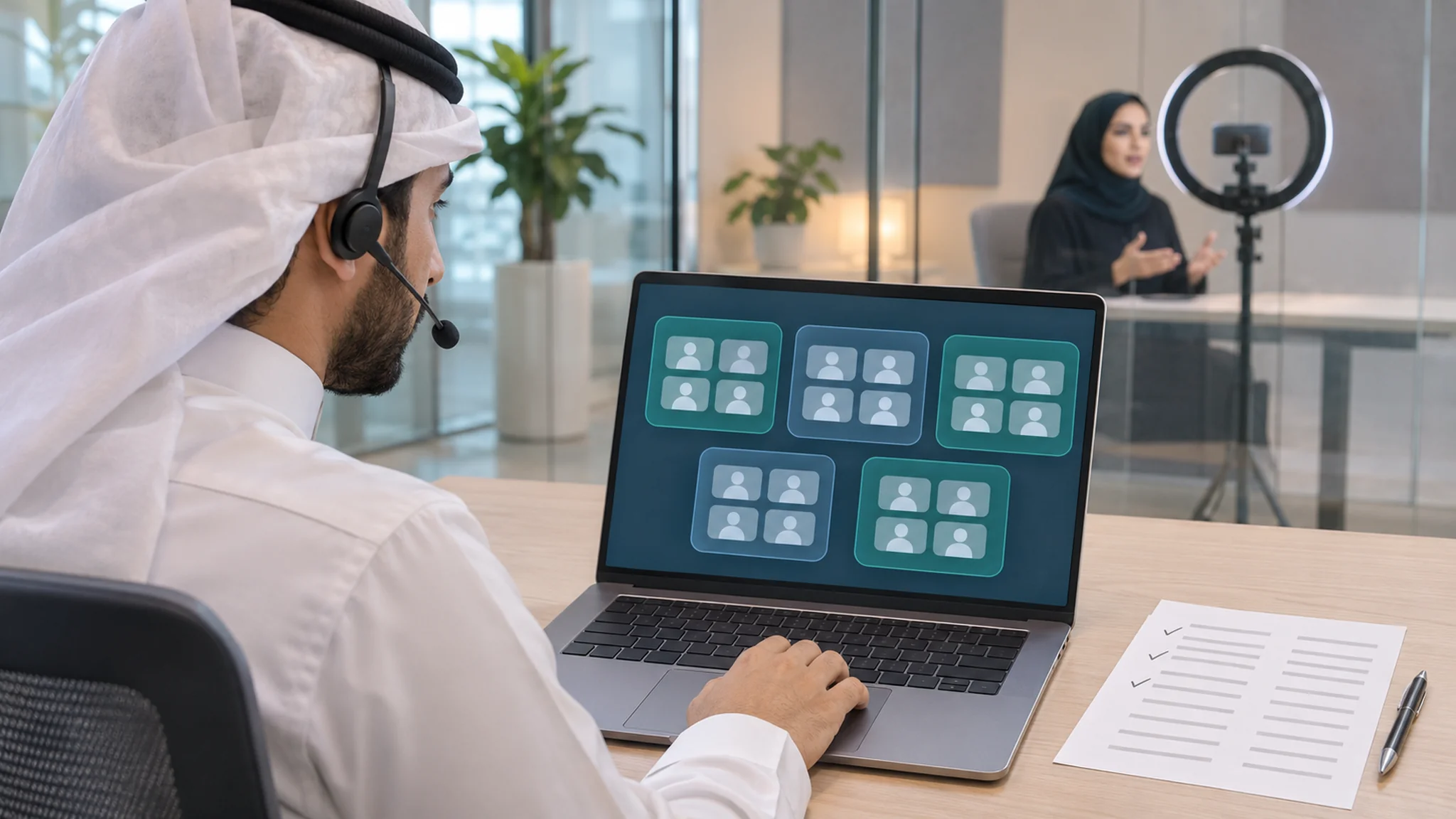
Preparing a Virtual Classroom Producer for Saudi TrainingTen minutes into a VILT session for customer service team leaders at a Saudi retail group, the trainer is doing four jobs at once. She is explaining a revised refund rule, admitting late joiners, reading a private message from someone who cannot hear, and searching for the poll she prepared. Questions pile up unseen in the chat, and when she opens the breakout rooms, two participants land in the wrong room.
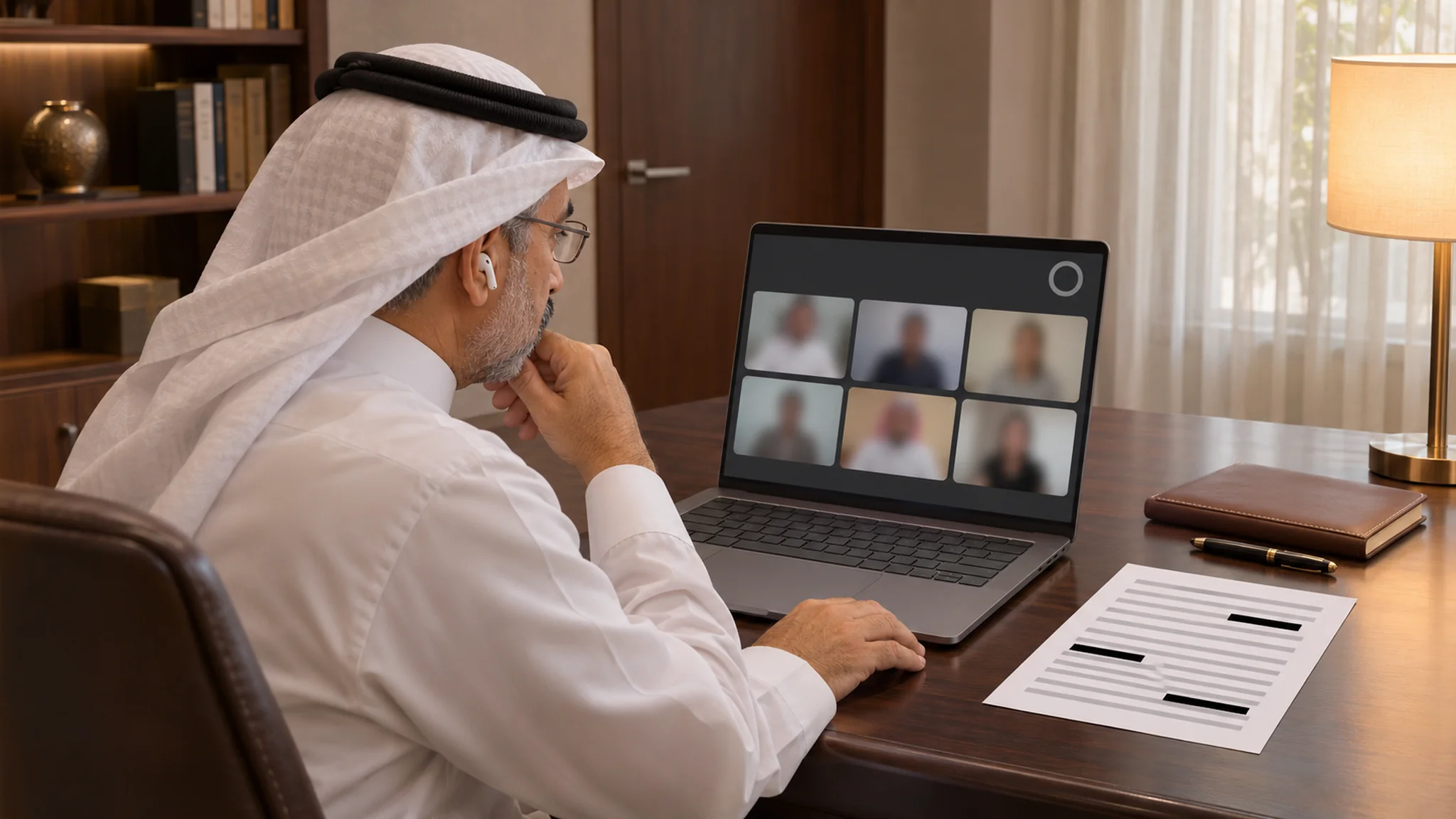
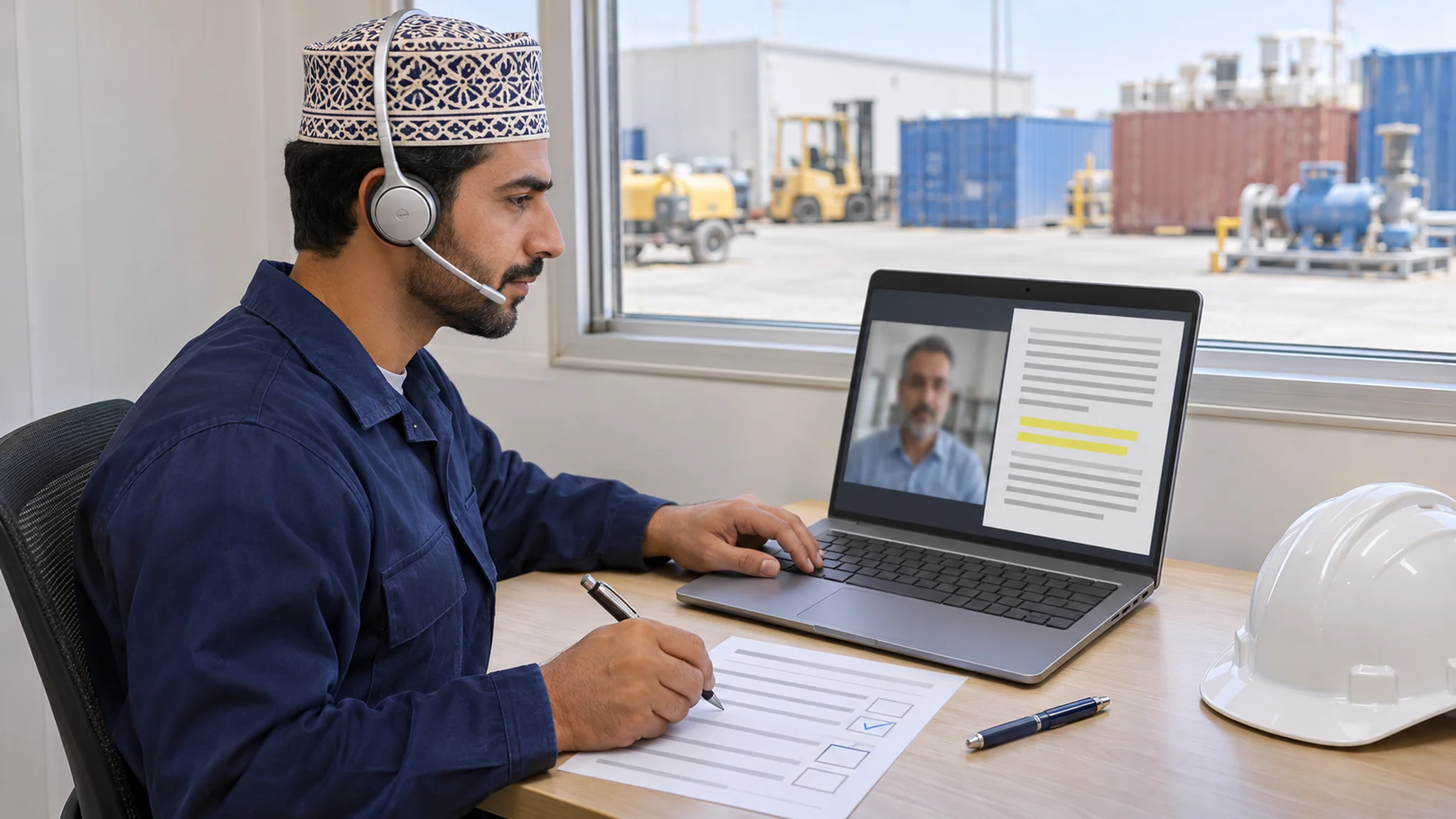
None of this reflects a lack of expertise. Live online delivery asks one person to teach and to operate a platform at the same time. Many organizations solve the problem with a second role: the virtual classroom producer, who runs the technical side of the session and looks after participants’ access so that the trainer can concentrate on teaching.
This article explains how training teams in Saudi organizations can prepare a producer for VILT, or virtual instructor-led training: a written producer role guide, a playbook of technical interventions and a coordination routine with the trainer before, during and after each VILT session.
What a VILT Producer Is Responsible ForA producer is neither a co-trainer nor an IT help desk on standby. The role sits between the two: one person owns the session environment so that the trainer can own the learning. Write the split down before the first session, because uncertainty about who acts is what wastes live VILT time.
Two boundaries matter most. The producer does not answer content questions, even when the answer seems obvious; they collect them for the trainer. And the trainer does not fix an individual participant’s audio or access problem during the session; they hand it to the producer and keep teaching.
In Saudi Arabia, this split also matches how the National eLearning Center frames quality. Its eLearning standards include technical support for learners, intended to ensure smooth use of the learning environment and timely responses through multiple channels, and separate technical support for educators, so that they can use platforms and tools effectively and teaching continues. A VILT producer is one practical way to provide both inside a live session.
Choosing and Preparing a VILT ProducerVILT producers often come from training coordination, from learning technology roles, or from colleagues who already run online meetings well. Platform fluency matters, but three other qualities matter as much: staying calm when something breaks, writing short and clear chat messages, and knowing when not to interrupt.
Preparation can be short if it is practical:
A producer does not need facilitation training; that belongs to the trainer. If your trainers are themselves new to VILT, see our guide to VILT for internal trainers in Jordan, which covers how trainers practise their own facilitation moves.
The VILT Producer’s Playbook of Technical InterventionsMost problems in VILT repeat. A short playbook, written as “if this happens, the producer does that”, lets the producer act in seconds without asking the trainer. Typical technical interventions include:
Some entries concern accessibility rather than faults. Accessibility of Remote Meetings, a W3C Group Note that its authors still describe as a draft, advises hosts to identify help options clearly, to ensure captions are provided and to offer other ways of managing turn-taking when a hand-raising control is not accessible. In a VILT session, these are natural producer tasks: announce at the start where to get help, switch on captions where the platform offers them, and invite contributions by chat or voice as well as by the hand-raise button.
Coordinating with the Trainer Before a VILT SessionThe producer and the trainer should meet at least once before each new VILT program and briefly before every session. Their main tool is a run sheet: a minute-by-minute plan with one column for what the trainer does and one for what the producer does at the same moment. A useful run sheet includes:
Hold a technical rehearsal a day or two before the first session, on the same platform and with the accounts that will be used live. Test screen sharing from the trainer’s device, breakout rooms, polls, captions, and any video with sound. Thirty minutes before each session, the producer opens the room, checks audio with the trainer, and confirms that the run sheet still matches the plan.
Working Together During a VILT SessionThroughout a VILT session, the producer and trainer need a backchannel that participants cannot see, such as a private chat in the platform or a separate messaging channel. Keep messages short, and agree in advance which ones may interrupt the trainer.
Chat triage is the producer’s most valuable live task. The producer answers practical questions directly, such as where to find a file or how long the break is, and groups content questions for the trainer to take at agreed pauses. The VILT session keeps moving, and no question is left unanswered.
The producer also guards time. A quiet message such as “rooms 2 min over, close?” lets the trainer decide, without the producer making a teaching decision on their behalf.
Recording needs its own rule. Whether a VILT session is recorded, who may see the recording, and how long it is kept should follow your organization’s policy, and the producer confirms that decision before pressing record. Sessions with sensitive content need stricter rules; our article on managing sensitive discussions in Saudi leadership VILT covers them.
After the session, a ten-minute debrief closes the loop: what broke, which playbook entry worked, what to change in the run sheet, and which participants need a follow-up message about access.
A Hypothetical Example: Dispatch Coordinators at a Saudi Logistics CompanyThe following example is hypothetical and is included only to illustrate the role.
A logistics company with hubs in Riyadh, Jeddah, and Dammam is training 30 dispatch coordinators on a revised procedure for rescheduling failed deliveries. The training team plans three 90-minute VILT sessions, each with case practice in five breakout rooms, and assigns a training coordinator from the Riyadh office as producer.
Before the first session, the producer and the trainer build the run sheet together and load the polls. In the rehearsal, they discover that the trainer’s laptop cannot share video with sound, so the producer will play the demonstration clip from her own device.
In the first session, two coordinators at the Dammam hub join from one laptop in a meeting room, so the producer places them in the same breakout room. When a coordinator in Jeddah loses audio, the producer sends him the dial-in details privately while the trainer carries on. Content questions arrive throughout; the producer groups them and passes them on before each plenary review.
At the debrief, the producer notes that the task cards were too long to read on a phone. The trainer shortens them for the second VILT session, and the run sheet gains a line: post each task card two minutes before the rooms open.
Practical Points for VILT Producers in Saudi OrganizationsLanguage in Chat and on ScreenMany Saudi workplaces combine instruction in Arabic with system screens and product terms in English. Prepare VILT chat messages in the language participants use, keep platform and system terms exactly as they appear on screen, and agree whether chat summaries go out in Arabic, English, or both.
Scheduling Around the Working DayAgree session times with participants’ managers and build breaks into the run sheet, so that a VILT session does not run into prayer times, shift changes or peak operating hours. On the day, the producer can then hold the schedule without renegotiating it.
A Producer for Every Session?Not every VILT session needs a dedicated producer. A short briefing for ten people with no breakout rooms can run with the trainer alone. A producer pays off when sessions are large, use breakout rooms and polls, include participants with weaker connections, or bring in guest speakers.
SummaryA VILT trainer cannot teach well while also running the platform, admitting participants and fixing audio. A prepared producer takes that load: someone with a written role guide, a playbook of technical interventions and a routine for coordinating with the trainer before, during and after each session.
Start by writing the role split and the playbook for one VILT program, rehearse once on the real platform and debrief after every session. Within a few sessions, the producer becomes part of the design rather than an emergency helper. For the trainer’s side of breakout work, see our guide to designing VILT for shared services teams in Egypt.
Click here. If you are planning VILT for your teams and would like to talk through the producer role, run sheets, or live session support, you can discuss your requirements with the SkillUp MENA team.