Loading...
Subscribe to Our Newsletter
Get the latest updates delivered straight to your inbox.

The ultimate L&D solution for upskilling your workforce.


© 2026 SkillUp MENA, Inc. All rights reserved
Subscribe to Our Newsletter
Get the latest updates delivered straight to your inbox.
The ultimate L&D solution for upskilling your workforce.
© 2026 SkillUp MENA, Inc. All rights reserved

 Share :


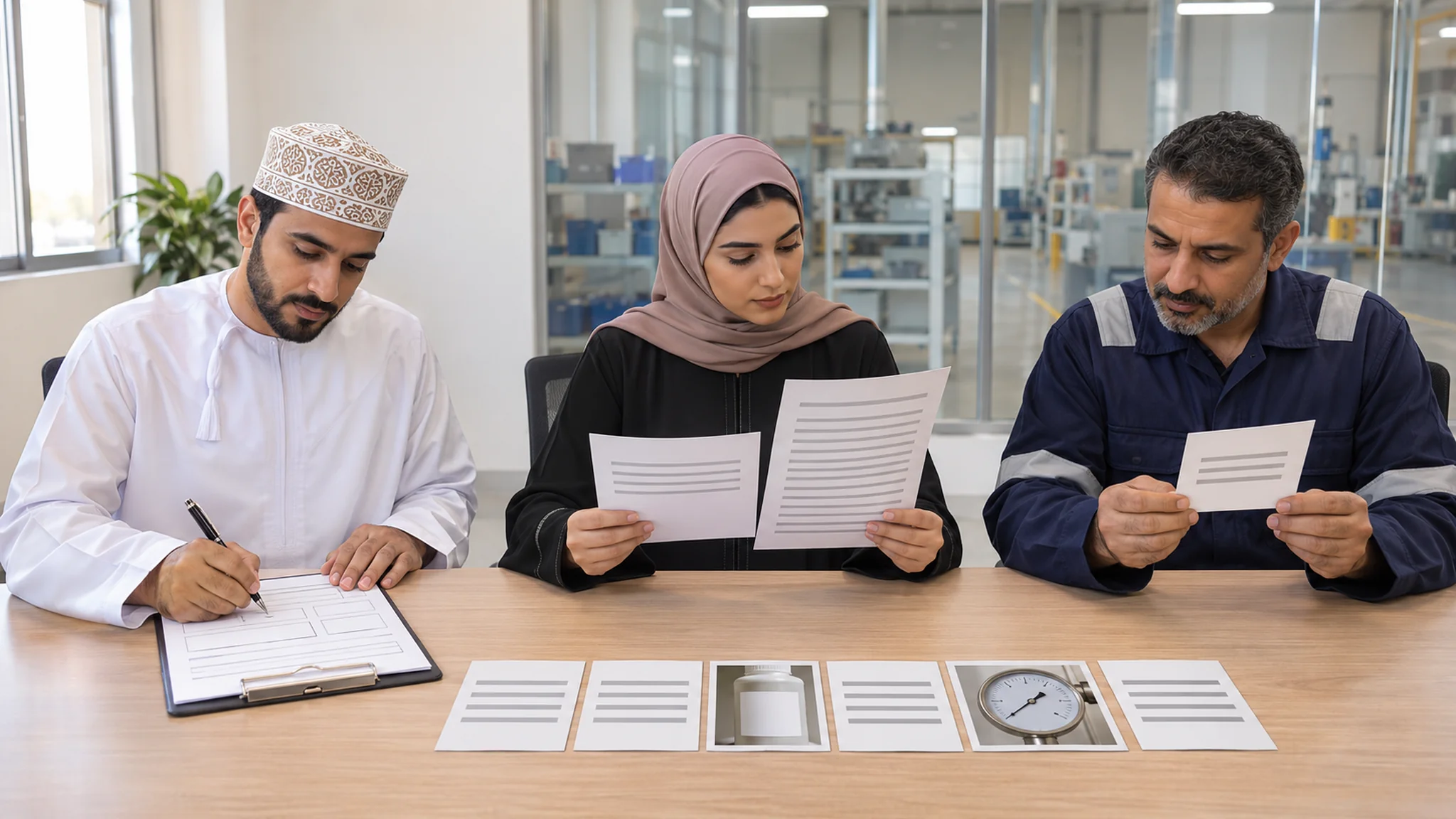
Assessing a Sales Training Provider's Proposal in BasraThe proposal is well presented: three days of ‘Professional Selling Skills’ for fifteen sales representatives, covering prospecting, presentation, objection handling, and closing, with certificates at the end. It comes from a training center with a long client list, and the price fits the budget. Yet the sales manager of a Basra industrial supplies company is not convinced. His representatives rarely lose deals at ‘closing’. They lose them earlier, when a contractor’s site engineer asks a technical question they cannot answer, or when a procurement officer asks for ten percent off a quotation and nobody knows what to ask next.
A sales training proposal can be well written and still miss the conversations your team actually has. The only reliable way to judge it is against your own requirements, using evidence the training center provides before you sign.
This guide sets out three steps for HR and sales leaders in Basra reviewing a proposal from any training center or corporate training provider: write your sales-conversation requirements, test the provider’s sample assessment with your own supervisors, and check what the follow-up really includes. It does not list or recommend providers. For the broader choice of providers in Iraq, see our guide to choosing a training center for companies in Baghdad.
Step 1: Write Your Sales-Conversation RequirementsBefore reading the proposal in detail, describe the three or four conversations that decide your sales results. For each one, write who the customer is, what a good outcome looks like, and what your representatives typically do wrong. A good outcome in sales training terms is rarely ‘the deal closed’; it is usually an agreed next step, a need clarified or a specialist brought in at the right moment.
If you are unsure which conversations matter most, ask each sales manager to note five recent conversations that stalled or were lost over the next two weeks, with a line on where it went wrong. Patterns appear quickly, and they give every training center you contact something concrete to answer. For a company selling industrial supplies to contractors in Basra, the list might read:
Add the working language, such as Iraqi Arabic with English product and technical terms, and the products, price lists, and approval limits your team works with. Send this short document to each training center you are considering, and ask it to respond to the proposal point by point.
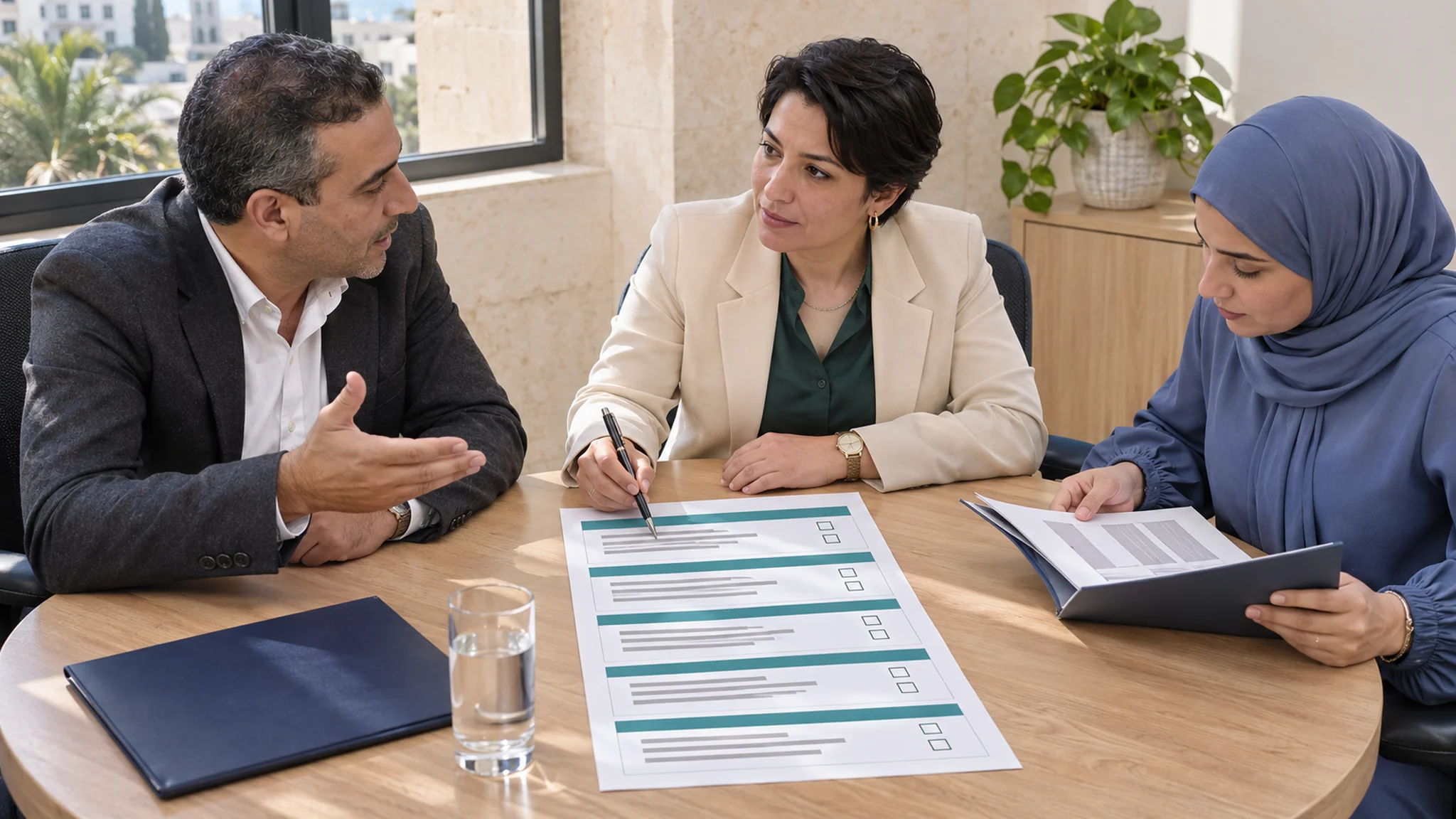
Step 2: Read the Proposal Against the RequirementsWith your requirements beside it, the training center’s proposal reads differently. Mark each module as covering one of your conversations, supporting one, or unrelated to them. Then look for four things:
Be cautious with proposals heavy on closing techniques or long lists of ready-made answers to objections. Your representatives need to explore a customer’s position before responding, and a training center that sells pressure tactics may teach habits that damage long-term accounts with contractors who buy from you every month.
Check, too, whether the proposal understands who your customers are. If many of them are contractors working on larger projects, a single sale may involve a site engineer, a procurement officer, and a project manager, each with different concerns. A training center whose role-plays always feature one buyer making one decision has not yet understood your market.
Step 3: Ask for a Sample Assessment and Test ItEvery serious sales training program assesses representatives during or after practice. Ask the training center for its sample assessment: the role-play brief given to the person playing the customer, and the rubric used to score the representative. The Eberly Center at Carnegie Mellon University describes a rubricas a scoring tool that makes performance expectations explicit through criteria, descriptors and performance levels, and notes that a good rubric helps ensure consistency across time and across graders. Its guidance is written for university teaching, but the logic applies directly to a sales role-play.
Read the training center’s sample with three questions in mind:
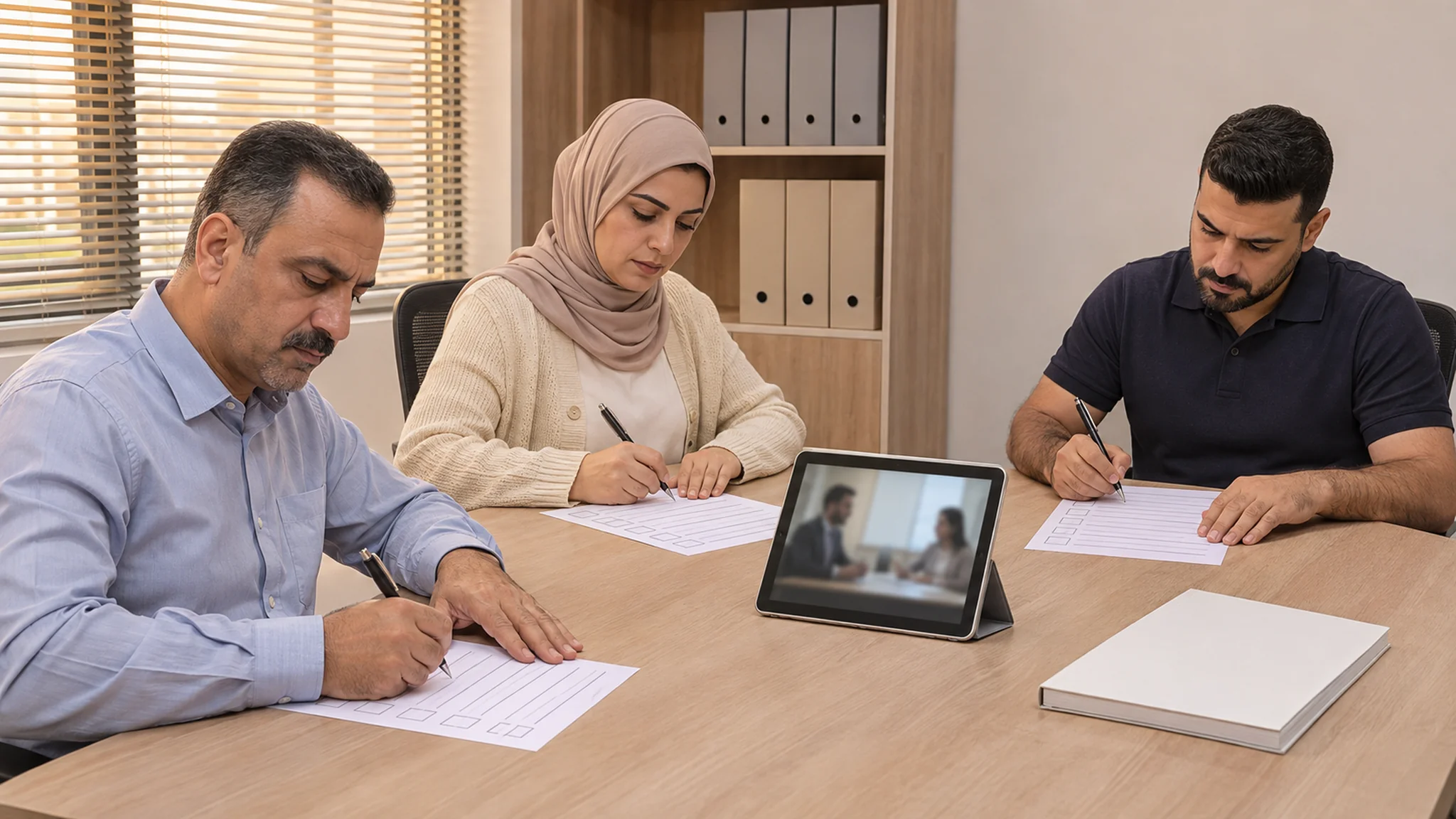
Then run a simple consistency test. Ask two of your sales supervisors to score the same practice conversation, recorded with the consent of two colleagues and no real customer, using the training center’s rubric and without discussing it first. If their scores differ widely, the descriptors are too vague for your managers to use after the program, whatever the training center says about them. For an example of a conversation sheet in a different sales setting, see a sample conversation assessment for retail sales teams.
Check What the Follow-Up Actually IncludesAlmost every training center proposal promises ‘follow-up’. In sales training, that word can mean anything from a satisfaction survey to six weeks of supervised field visits. For a sales team, the follow-up that changes behavior happens in front of customers: a manager who joins real visits and scores them with the same rubric used in training, a representative who carries something that reminds them of the new questions, and a later session that works on whatever is still weak.
Translate that into questions for the training center:
A training center that answers with dates, names, and the rubric is offering follow-up; one that answers with ‘ongoing support’ is not. For a fuller method, see our guide to assessing a training provider’s follow-up plan.
Write the Three Steps into the AgreementOnce you choose, turn what you checked into commitments. Attach your sales-conversation requirements to the agreement as the scope the training center has accepted. Attach the agreed rubric as the standard for assessing representatives, and ask the training center to return a rubric result for each representative at the end of the program rather than a list of certificates.
Write the follow-up into the same document: the number of observed field conversations, who conducts them, the dates of the refresher session, and what is included in the price. Name the trainer, and agree that any replacement needs your approval. None of this requires legal drafting; it simply records what the training center offered when it wanted the contract, so that both sides can check it later.
A Hypothetical Example: Industrial Supplies for Contractors in BasraThe following example is hypothetical and is included only to illustrate the method.
The industrial supplies company from the opening sends its four conversations to the training center behind the original proposal and to one other training center. The first training center replies with the same three-day outline and a rubric whose levels read ‘weak’, ‘good’ and ‘excellent’. When two supervisors test it on a recorded practice call about a price request, one scores the representative 4 out of 5 and the other 2.
The second training center rebuilds its role-plays around the four conversations, using the company’s product categories, and sends a rubric whose levels describe observable actions, such as ‘asks what the price request is based on before discussing any discount’. The same two supervisors now score the call within one point of each other. Its follow-up plan names two joint field visits per representative by sales managers using the rubric, a pocket question card, and a refresher session after six weeks, all included in the price.
The company chooses the second training center and asks its sales managers to keep their rubric scores from the joint visits, so that the refresher session works on the conversations that are still weak.
SummaryA sales training proposal should be judged against the conversations your team actually has, not against a generic sequence of selling stages. Write those requirements first, read the proposal against them, and ask the training center for a sample assessment that two of your own supervisors can apply consistently.
Then check the follow-up for dates, names, field observations, and job aids. A training center whose proposal survives those three steps is likely to change what your representatives say in front of customers in Basra, not only what they know.
Click here. If you have a sales training proposal on your desk in Basra and want help turning your sales conversations into review criteria, the SkillUp MENA team can discuss your corporate training requirements with you.