Loading...
Subscribe to Our Newsletter
Get the latest updates delivered straight to your inbox.

The ultimate L&D solution for upskilling your workforce.


© 2026 SkillUp MENA, Inc. All rights reserved
Subscribe to Our Newsletter
Get the latest updates delivered straight to your inbox.
The ultimate L&D solution for upskilling your workforce.
© 2026 SkillUp MENA, Inc. All rights reserved


 Share :


Facilitating VILT for Tunisian Teams Through Practice AttemptsA facilitator in Tunis runs a 90-minute VILT session on a revised maintenance priority procedure for planners at two plants. She explains the new criteria clearly, shares an example, and asks whether everything is clear. A few participants reply “yes” in the chat. Two weeks later, the plants are still ranking urgent jobs differently, and each believes it is following the procedure.
Explaining a procedure well is not the same as finding out whether people can apply it. In VILT, a question such as “Is everything clear?” invites agreement, not evidence. What reveals understanding is an attempt: each participant applies the rule to a case and commits to an answer the facilitator can see.
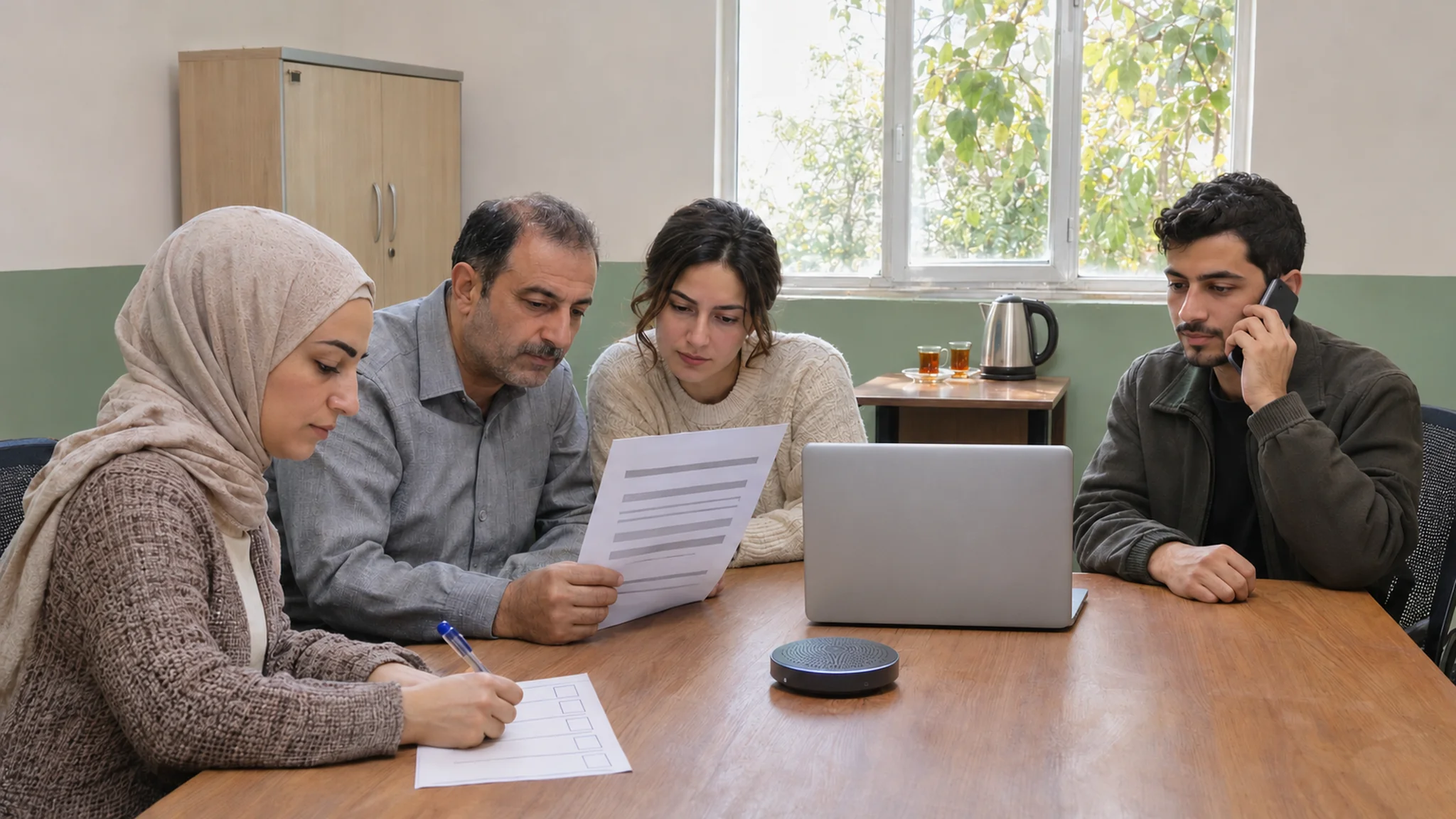
This article shows facilitators how to run VILT, or virtual instructor-led training, for teams in Tunisia around practice attempts instead of lecture. Each cycle follows the same sequence: an individual attempt, a peer comparison, an expert review and, to close, a new check question answered alone.
Why Attempts Teach More Than Explanation in VILTIn a live VILT session, explanation is easy to deliver and hard to check. Participants can listen with cameras off, agree in the chat, and leave with the same misunderstandings they arrived with. An attempt changes that, because it makes thinking visible to the participant and to the facilitator.
Research on concept questions in university classrooms points the same way. In an undergraduate genetics course, Smith and colleagues found that when students answered a question individually, discussed it with their neighbors and then voted again, peer discussion enhanced understanding, even when none of the students in a discussion group originally knew the correct answer. A follow-up study by the same research group in CBE—Life Sciences Education found that peer discussion followed by instructor explanation improved average performance substantially compared with either one alone.
These studies took place in lecture halls with clickers, not in workplace VILT, so treat them as a design principle rather than a forecast. The principle is simple: let people try first, let them compare, then explain.
Step 1: Design the Individual AttemptThe individual attempt is a short task that every participant completes alone, before seeing anyone else’s answer. It should take three to five minutes and end in something the facilitator can see. Formats that work well in VILT include:
Build the task around one rule that people misapply, not around the whole procedure, and include one detail that decides the right answer, so that a correct choice shows understanding rather than luck. Keep answers private until everyone has committed; in VILT, if the chat is open, the first confident answer tends to anchor everyone else. If your teams already complete short eLearning tasks, their explanations are a good source of cases; see our guide to designing a short eLearning task that demonstrates procedure understanding in Tunisia.
Step 2: Peer Comparison in VILT Breakout RoomsOnce the answers are in, show how they are distributed without revealing which one is correct. Then send participants into pairs or trios in breakout rooms with one instruction: compare your answers, and if you disagree, each explain why. Allow three or four minutes and post a prompt card in the chat:
Mix sites and experience levels in the rooms, so that peers bring different habits to the comparison. When the rooms close, ask everyone to answer the same question again individually. A shift in the answers is useful information in itself: it shows whether discussion moved people toward the right rule or simply toward the most confident colleague.
While the rooms are open, the VILT facilitator can drop into one or two of them to listen, without correcting anyone, and note the reasons people give. Those notes are often more revealing than the poll results, and they feed directly into the expert review.
Participants also need to see the case while they talk. Paste it into the chat or a shared document before the rooms open, because not every VILT platform shows the main screen inside a breakout room.
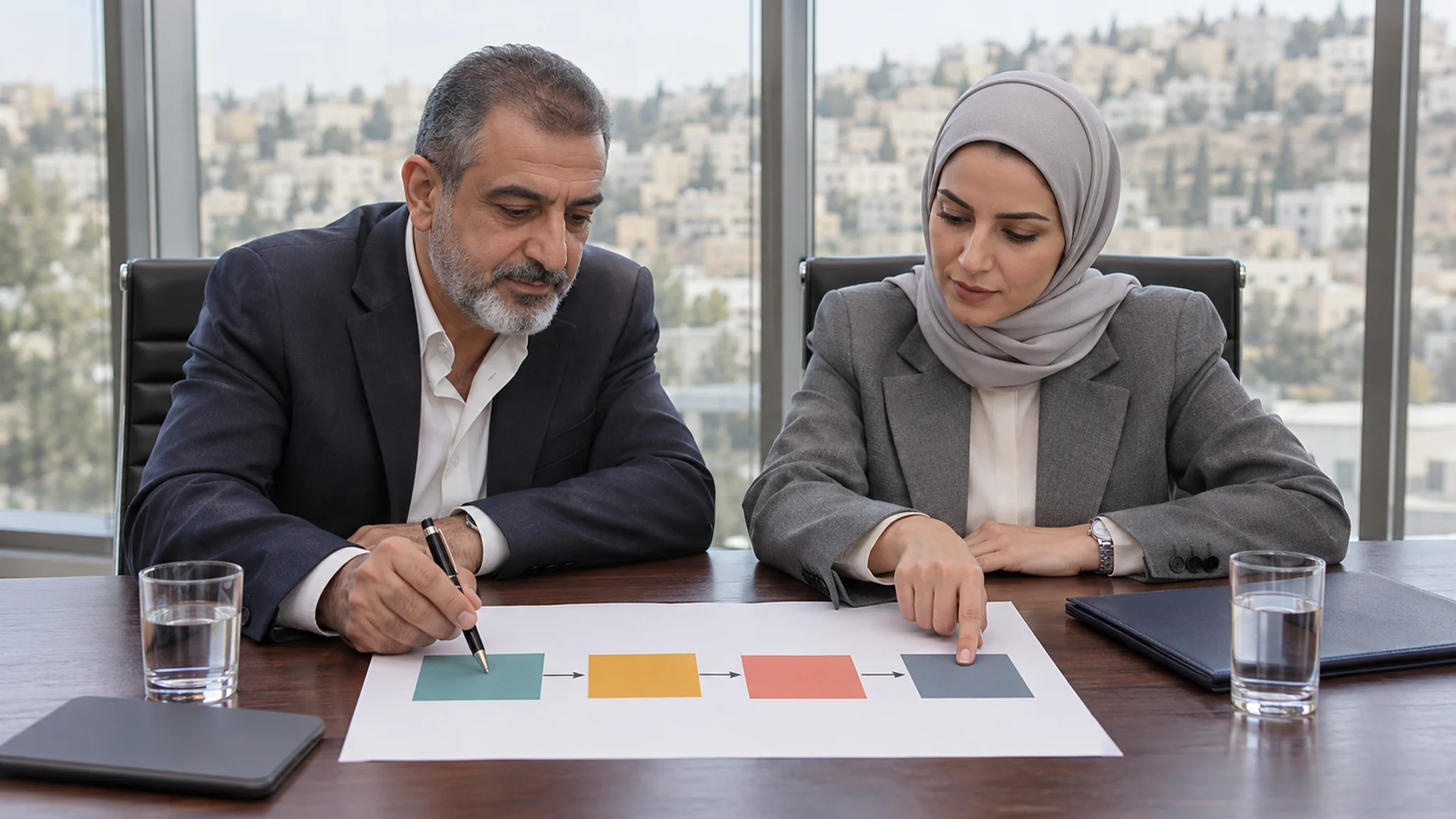
Step 3: Expert Review of VILT AttemptsThe expert review is where the facilitator, or a process owner invited for this part of the VILT session, closes the loop. In the CBE—Life Sciences Education study, the instructor asked students to volunteer the reasons for their answers, explained the solution, and answered questions. In a workplace session, the same move works well:
Then close the cycle with a new check question on a similar case, answered individually. This is the evidence that matters: not whether the group reached the right answer together, but whether each person can now apply the rule alone.
Running the Sequence in a 90-Minute VILT SessionA 90-minute session can usually hold three cycles, each built around a different rule or case:
Keep explanation short between cycles. If participants need background reading, send it before the VILT session so that live time goes to attempts; our article on designing prework that improves discussion time covers how. Ask a producer or co-host to manage polls and rooms, so the facilitator can concentrate on reading the answers.
A Hypothetical Example: Maintenance Priorities at a Components Plant Near SousseThe following example is hypothetical and is included only to illustrate the method.
An automotive components manufacturer with plants near Sousse and in Sfax has revised how maintenance planners rank work orders: safety-related faults first, then faults that stop a production line, then quality faults, then routine requests. Planners at the two plants have interpreted the order differently, and the maintenance manager asks the training team for a VILT session for twelve planners.
In the first VILT cycle, each planner privately ranks four work orders, including a leaking hydraulic hose on a press that is still running. Seven planners rank it below a stopped conveyor. After peer comparison in trios, five of them change their ranking; two do not. In the expert review, the maintenance manager shows two anonymized rankings and explains that the hose is a safety risk before it is a production issue, which is the deciding detail. On the check question, built around a different case, eleven of the twelve planners apply the rule correctly.
The training team records which cases caused the most disagreement and sends them to the maintenance manager, who adds two examples to the written procedure. The next VILT session for new planners starts with those two cases.
Practical Points for VILT with Tunisian TeamsArabic and French in the Same SessionIf your teams work with procedures in French but discuss them in Tunisian Arabic, let the attempts reflect that. Keep form fields and technical terms as they appear in the documents, and allow participants to answer and discuss in whichever language they work in. What you are checking is the decision, not the language.
Safety to Be WrongSome participants hesitate to commit to an answer in front of colleagues or managers. Keep individual answers anonymous in every display, never name who chose a wrong option, and say at the start that wrong first attempts are expected and useful. Where managers attend the VILT session, ask them to take part in the peer comparison as participants rather than observers.
Connections and DevicesParticipants joining a VILT session from a plant office or a shared workstation may have weaker connections. Make sure polls and forms work on a phone, and offer a fallback, such as sending the answer to the producer in a private chat message.
SummaryLecture-style VILT leaves facilitators guessing about what people understood. Practice attempts replace guessing with evidence: an individual attempt that commits each person to an answer, a peer comparison that brings reasoning into the open, an expert review that explains the deciding detail, and a check question that shows who can now apply the rule alone.
Start with one rule your teams apply inconsistently, build one cycle around it and run it in your next VILT session. If you are preparing internal trainers to facilitate this way, see our article on VILT for internal trainers in Jordan.
Click here if you want Skillup MENA to help you.